Developing a Transportation spend management Regimen
Transport costs can be challenging to examine consistently when billings, delivery documents, accessorial fees, and service provider contracts are stored throughout different systems. A repeatable procedure provides groups a more clear way to recognize uncommon charges, confirm payment accuracy, and comprehend where transportation costs are changing.
The goal is not simply to seek separated mistakes. A beneficial regular links invoice evaluation with shipment task, contract terms, and operational decisions to ensure that findings can notify future transportation planning.
FreightOptics deals Transportation spend management.
Define the scope of each evaluation
Begin by deciding which transport task the process will cover. This may consist of parcel, products, carrier, or other transportation invoices, relying on the organization's shipping profile. Establishing the extent prevents the review from ending up being an irregular check of whichever information happens to be most convenient to access.
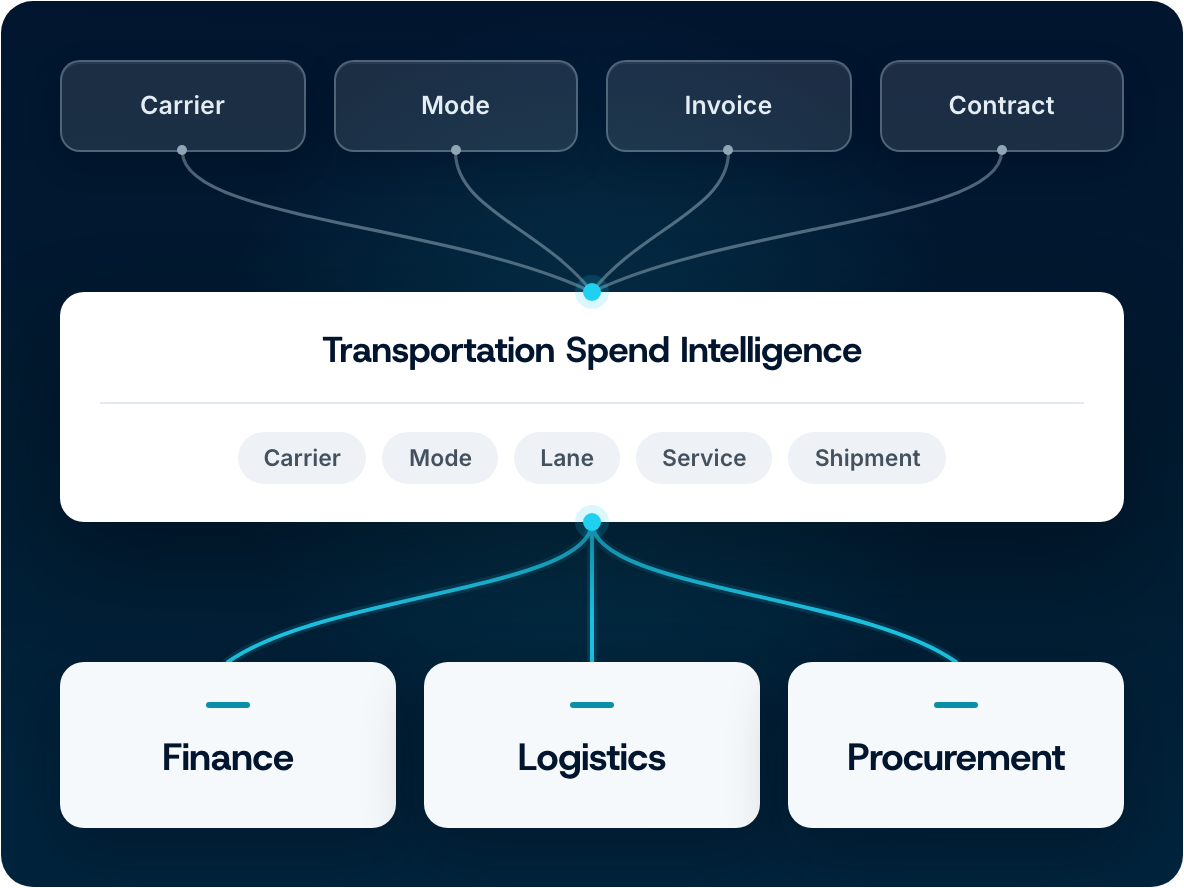
It is likewise valuable to specify the review period and the responsible participants. Financing may provide billing info, logistics might clarify shipment information, and procurement may clear up discussed terms. Clear ownership makes it easier to maintain the routine and follow up on searchings for.
Bring the right documents together
A practical transportation cost evaluation relies on comparing related records. Invoices can be evaluated alongside delivery info, carrier agreements, price routines, distribution information, and accepted accessorial costs. When these sources are reviewed independently, inaccurate amounts or missing out on debts might be tougher to recognize.
Consistent data fields make the process better with time. Standardizing products such as carrier names, solution levels, shipment dates, reference numbers, and fee classifications can help teams compare task from one evaluation cycle to the following. The procedure does not require to start with a complicated coverage system; it requires reputable information arranged in a functional style.
Examine common sources of difference
Each evaluation should consist of a constant set of checks. Teams may contrast billed prices with applicable agreements, verify that services were in fact made use of, examine replicate billings, and testimonial accessorial fees for appropriate documents. They can likewise try to find inequalities entailing weights, zones, measurements, delivery places, or solution degrees when those details impact the quantity billed.
A list helps stop the process from counting on memory or individual judgment. Over time, recurring findings can be organized by reason, such as data high quality concerns, contract interpretation, operational adjustments, or service provider billing discrepancies. This categorization sustains much more concentrated rehabilitative action.
Record findings and follow-up actions
An evaluation is better when each finding has a clear record. Paper the impacted billing or shipment, the concern identified, the sustaining details, and the action asked for. Depending on the situation, the following step might involve asking for an adjustment, clearing up a contract term, upgrading an interior procedure, or reviewing a recurring pattern with a carrier.
Appointing an owner and a follow-up day helps transportation spend reduction keep findings from being shed after the preliminary evaluation. A basic status system can show whether a thing is under examination, waiting for an action, fixed, or being monitored for recurrence.
Use the regular to boost decisions
As soon as the procedure is established, assess the results for more comprehensive patterns rather than treating every concern as a separate occasion. Repeated accessorial charges may indicate product packaging or getting practices, while constant service-level mismatches may suggest that shipping selections need closer interest. These observations can give logistics, finance, and purchase a common basis for discussion.
FreightOptics offers 3rd Event Logistics Audit solutions to sustain companies that need a structured way to analyze transport payment and relevant documents. By making transportation spend management a regular service activity, companies can create an extra informed evaluation process and utilize its searchings for to direct recurring transportation decisions.
2200 N Commerce Pkwy #200, Weston, FL 33326, United States +18005784939